

Zirconium Dental Crowns
Your smile is the first way you talk to the world. But as time goes on, degradation, fractures, or cosmetic issues can make this communication less important. Zirconium, or "white gold," is a long-lasting and natural-looking option that modern dentistry has made available. In this post, we'll look at zirconium dental crowns, which a lot of people are interested in, using scientific facts.
What Makes Zirconium so Special?
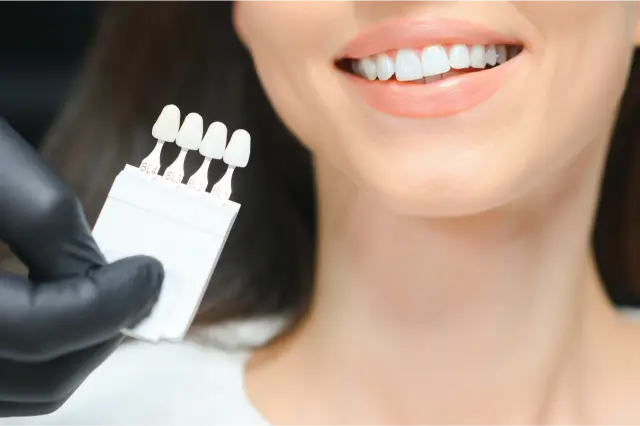
Zirconium is a natural element. In dentistry, a crystalline ceramic form termed zirconium dioxide is employed. The most important thing about zirconium is its physical property called "transformation hardening." When a crack starts to form in the material, the crystal structure changes, which "compresses" the crack and stops it from getting worse. It is as robust as metal but looks as good as porcelain.
What is a Zirconium Crown?
Zirconium crowns are artificial tooth-shaped coverings placed over teeth to restore the shape, size, durability,durability, and aesthetic appearance of damaged, broken, or decayed teeth. These restorations, produced from zirconium dioxide (ZrO₂), which is the crystalline dioxide of the chemical element zirconium, are a bioceramic material.
When Are Zirconium Crowns Used?
Zirconium crowns are a popular choice for many dental circumstances that need both long-lasting function and good looks. Zirconium crowns are most often utilized in the following situations:
Use for Protection and Restoration
Aesthetic and Cosmetic Use
Fixing Functional Difficulties
Occlusal problems: Used to fix bite abnormalities like crossbite and to fix teeth that have worn down. Why Limited spaces: Because zirconium is so strong, it can be made very thin, even as thin as 0.5 mm. This feature is helpful when there isn't much space between teeth (the interocclusal space).
Paediatric Dentistry
- Early childhood caries: Used to restore extensive cavities in baby teeth that move quickly and look good.
- Deciduous teeth that have had pulp therapy: This is the best option to make sure that children's teeth stay healthy after root canal or pulp treatment.
- Broken anterior deciduous teeth: Used to fix anterior deciduous teeth that have been broken because of an accident or have lost a lot of substance.
Certain Medical Conditions
Allergies: This is a biocompatible option for people who are allergic to standard dental materials or metals. Allergic conditions: Gives individuals who are allergic to traditional dental materials or metals a biocompatible option.
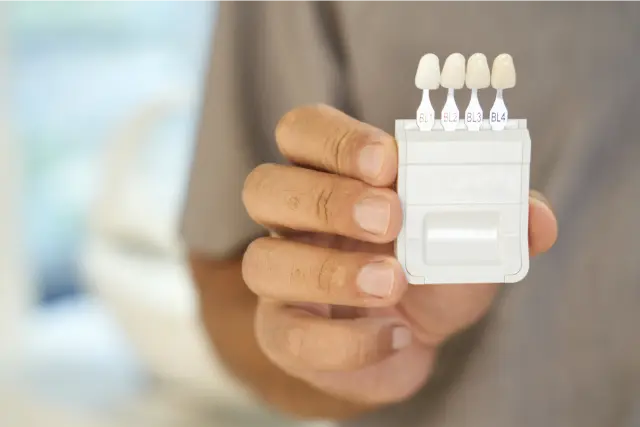
Different Kinds of Zirconium Crowns:
Depending on your demands, your dentist can pick between two primary types:
Monolithic (Full) Zirconium:
Made from one block of zirconium utilizing computer-aided design and computer-aided manufacturing (CAD-CAM) tools, with no human help. It is very good for the back to be able to handle chewing pressures because it is so strong.
Zirconium-Based Porcelain:
This system has a zirconium inner layer and an outside layer of glass ceramic that looks nice. This procedure is often performed on front teeth to make them look more natural since it lets more light through.
Steps in the Treatment of Zirconium Crowns:
Putting on zirconium dental crowns is a careful and technology-focused process that puts health and beauty first. This treatment is thought to be one of the best in modern dentistry for both saving children's baby teeth and restoring adults' teeth for both looks and function. Here is how the process works, from getting the tooth ready to putting on the crown:
Getting Ready and Making Plans
The dentist starts the therapy by looking inside the mouth and taking X-rays. The cause for putting a crown on the tooth (to fix decay, a fracture, or to safeguard it after root canal treatment) is found. When using pre-made zirconium crowns on children, it is very important to choose the right size before grinding the tooth. This makes sure that the result is as near as possible to the child's original smile.
Getting the Teeth Ready
To make sure the zirconia crown fits exactly over the tooth like a cap, the tooth needs to be somewhat smaller.
- Amount of Reduction: About 0.5 mm to 1.5 mm of tissue is taken away from around the tooth and the biting surface.
- Gum compatibility: At the edge where the tooth meets the gum, a unique shape termed a "rounded shoulder" or "mini-chamfer" is made. This form makes sure that the crown doesn't hurt the gum and makes the transition look natural.
- Sensitivity: Most of the time, this treatment is done with local anesthesia, so the patient doesn't feel any pain.
Taking Digital Impressions
Digital scanners are now usually employed instead of the dough-like imprint materials that are left in the mouth in older procedures.
- 3D Scanning: A small camera (scanner) inside the mouth makes a three-dimensional model of the prepared tooth and the teeth on the other jaw in just a few seconds.
- Accuracy: Digital imprints make sure that the veneer fits the tooth with a millimeter of accuracy, which reduces the chance of making a mistake.
Cad-Cam, or Computer-Aided Design and Manufacturing
The process becomes fully digital after the measurements are sent to the computer:
- Design (CAD): The dentist or technician uses a computer program to figure out how the tooth should look, how it should touch neighboring teeth, and how tall it should be.
- Production (CAM): Special milling machines carve the specified teeth out of zirconium blocks without any help from people. With this technique, veneers can occasionally be made and put on the same day.
- Hardening (Sintering): The milled tooth is burnt in very hot furnaces to make it as hard and long-lasting as possible.
Checking the Fit and Fitting
Before the veneer is permanently attached, it is tried on in the mouth:
- Edge fit: The region where the veneer meets the gum is looked at to see if there are any gaps.
- Bite (occlusion): The patient's bite is assessed to see if the veneer fits with the other teeth. If it doesn't, little changes are made by grinding.
- Looks: The last inspection is to make sure the color and form match the patient's real teeth.
Permanent Bonding (Cementation)
When everything is just right, the veneer sticks to the tooth:
- Special glues: The veneer is filled with special, long-lasting glues, which are commonly resin or glass ionomer cements.
- Passive fit: Zirconium is a hard, non-flexible material; thus, it should naturally "passively" fit onto the tooth without any effort.
- Cleaning: After the connection is made, any extra glue around the tooth is carefully wiped away.
Last Checks and Upkeep
After the treatment is over, the patient's bite is examined, and polishing makes the surface smooth.
What Should You Do After Getting a Zirconium Crown?
To keep your new teeth healthy and make them last longer after zirconium crown treatment, you need to pay attention to a few basic things:
Daily Oral Hygiene Routine
Like your own teeth, zirconium crowns need frequent care. Your dental hygiene has a big effect on how long crowns last.
- Clean your teeth every day: You should clean your teeth at least twice a day.
- Flossing: Don't forget to floss to keep plaque from building up where the crowns contact the gums.
- specific cleaning tools: Your dentist may suggest using specific cleaning equipment on prosthetic regions to keep the gums around the crown healthy.
How You Eat and Take Care of Yourself
Zirconium is a very strong substance, yet too much force might break the crown's structure.
- Don't bite or chew on hard things: Biting or chewing on things that are very hard can break or loosen the zirconium crown.
- meals that stain: Zirconium crowns are very hard to stain, but eating a lot of meals with strong colorants and not brushing your teeth might change how they look over time.
- Whitening procedures: You should realize that zirconium crowns cannot be made whiter. Teeth whitening only changes the structure of natural teeth; thus, your crowns will not change color after the process.
Teeth Grinding (Bruxism)
Although zirconium's hardness and durability are an advantage, in patients with teeth grinding, this can cause wear on the natural teeth in the opposing jaw. If you have a teeth-grinding habit, it is very important to use a night guard recommended by your dentist to protect your crowns and opposing teeth.
Regular Dental Checkups
You should not neglect periodic check-ups after treatment.
- Bite and fit check: During check-ups, your dentist will evaluate the crown's contact with other teeth and the occlusion (bite balance).
- Gum health: Zirconium is a material that is very compatible with gums, and plaque buildup on it is less than on metal crowns. However, dental check-ups are still critical to prevent the risk of gum inflammation.
What Are the Advantages and Disadvantages of Zirconium Crowns?
Advantages of Zirconium Crowns
Disadvantages of Zirconium Crowns
Why is Zirconium Better for Kids than Steel?
For many years, standard stainless steel crowns (SSC) were thought to be a decent choice for kids. However, zirconium crowns are becoming more popular now since they look better and are better for the body. Here are the primary reasons why zirconium crowns are better than steel crowns for kids' teeth:
- The major problem with stainless steel crowns is that they look like metal and silver. Zirconium crowns, on the other hand, are the same color as natural teeth and look great since they blend in perfectly with the child's own teeth. This works much better to suit today's beauty standards and make parents happy with how their kids look.
- The smooth, shiny surface of zirconium helps keep plaque from building up and gums from getting inflamed. Research indicates that zirconium crowns are superior to steel crowns in preserving and enhancing gum health.
- Scientific studies have proven that the amount of bacteria (Streptococcus mutans) on zirconium surfaces is significantly lower than on steel crowns.
- Zirconium is a material that is highly compatible with tissues. It offers a safe, metal-free alternative, particularly for children with metal allergies or sensitivities to other metals.
- Children who experience tooth loss due to early childhood caries or who have unsightly veneers may experience problems with chewing, speaking, and social adjustment. Restorations using zirconium crowns boost the child's self-confidence, improve their smile, and lead to an improvement in their psychological behavior.
- Zirconium is a material with mechanical properties similar to metals, resistant to breakage and highly durable. Although not as flexible as steel crowns, it has high resistance to wear and tear and provides excellent retention when applied correctly.
How Much Does It Cost for the Treatment of Zirconium in Turkey?
Turkey is one of the best places in the world to get zirconium therapy. The average costs depend on the clinic and the quality. You may get price information at Dento Dream.
Is There Any Way to Handle Zirconium Crowns?
Yes, there are a number of alternative treatments that have been shown to work in clinical settings and are extensively utilized. The main choices are porcelain crowns supported by metal (PFM), E-max crowns (lithium disilicate), and gold and stainless steel crowns for certain situations. The table below shows how these other options stack up against zirconium: